
"coffee defects types"
2000 article(s) found

Classification of raw coffee beans-Starbucks coffee bean grinding grade
Coffee raw bean classification-Starbucks coffee bean grinding grade process first pours the coffee beans into a large tank, and the underdeveloped inferior beans will float on the surface and pick up the ripe and full fruits that sink to the bottom of the water. The tile is exposed to the sun, often flipped over, picking out defects. When the water content in the coffee bean is reduced to 10% 14%, the peel pectin can be knocked off with a sheller for the whole day.

Coffee flavor and taste of Kilimanjaro, Tanzania introduce Arusha Coffee Manor
Bubble type: put the coffee powder into the pot, soak it in hot water for several minutes, and then filter out the coffee grounds by a filter cloth or screen to form a cup of coffee liquid. Siphon pots, drip pots, Belgian coffee pots and Vietnamese coffee pots are all follicular brewing tools, and they all have a soaking process to form a more complex taste. High-pressure type: using pressurized hot water to penetrate and fill compacted

What is the classification and naming of coffee beans? What is the name of the coffee bean?
Professional coffee knowledge exchange more coffee bean information please follow the coffee workshop (Wechat official account cafe_style) coffee bean grade classification and naming method? What is the name of the coffee bean? The name and specification indicate the country name and place name: indicate the country and region of origin of coffee. For example, it is marked Ethiopia. Hara, on the other hand, said it was made in Ethiopia.

The size, specification and grade of coffee beans. Fine coffee.
A, coffee can be divided into washing type and non-washing type according to specifications, and can also be divided into flat beans and round beans. Washing type: in the sink, after rubbing with water and utensils, the pulp and colloid are removed and dried, which is called washing coffee bean with uniform quality. Non-washing type: after the sun is naturally dried, the pulp and peel is removed by a sheller, and its quality is unstable. The fruit of coffee is made up of two oval shapes

Fine coffee to learn the size and specification of coffee beans
A, coffee can be divided into washing type and non-washing type according to specifications, and can also be divided into flat beans and round beans. Washing type: in the sink, after rubbing with water and utensils, the pulp and colloid are removed and dried, which is called washing coffee bean with uniform quality. Non-washing type: after the sun is naturally dried, the pulp and peel is removed by a sheller, and its quality is unstable. The fruit of coffee is made up of two oval shapes

Coffee beans-Overview and handling of boutique coffee
Coffee beans-specification coffee beans washable coffee beans A. Washing type / non-washing type: in the sink, after rubbing with water and utensils, the pulp and gum are removed and dried, which is called washed coffee beans with uniform quality. Non-washing type: after the sun is naturally dried, the pulp and peel is removed by a sheller, and its quality is unstable. b. The fruit of flat bean / round bean coffee is made up of two oval
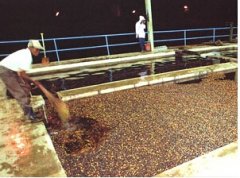
Characteristics of Colombian boutique coffee beans Colombian boutique coffee
According to the classification of defective beans, defective beans can be divided into two types:-first: called first-class defects-second: called second-level defects. First: main defects (defects that affect the taste characteristics of coffee): black beans. Private exporters of moldy beans or sour beans: no more than 12 national coffee committees: no more than 8 first-level defective beans, second: secondary defects

Fine coffee beans: two production methods of coffee beans and how to choose coffee beans
After harvest, peel, pulp, racing peel and silver peel should be removed before shipping and listing. There are two kinds of methods: drying (also known as natural or non-washing) and washing. Dry type: the method is relatively simple. First of all, spread the freshly harvested fruit on the sun field for a week or two until the fruit crackles and dries naturally. After that, the sheller will dry the fruit.

Fine coffee, common sense, size and specification of coffee beans.
A, coffee can be divided into washing type and non-washing type according to specifications, and can also be divided into flat beans and round beans. Washing type: in the sink, after rubbing with water and utensils, the pulp and colloid are removed and dried, which is called washing coffee bean with uniform quality. Non-washing type: after the sun is naturally dried, the pulp and peel is removed by a sheller, and its quality is unstable. The fruit of coffee is made up of two oval shapes

Coffee common sense size specification and grade of coffee beans
A, coffee can be divided into washing type and non-washing type according to specifications, and can also be divided into flat beans and round beans. Washing type: in the sink, after rubbing with water and utensils, the pulp and colloid are removed and dried, which is called washing coffee bean with uniform quality. Non-washing type: after the sun is naturally dried, the pulp and peel is removed by a sheller, and its quality is unstable. The fruit of coffee is made up of two oval shapes

Read through the amount of information in the name of raw coffee beans
When we come into contact with coffee beans, we often see descriptions such as: Manning G1, GAYO Mountains, Aceh District, Sumatra, Indonesia. Do you often have the following questions: 1. What is the amount of information contained in the names of raw coffee beans? 2. Why sometimes the manor comes first in the name of coffee beans, and sometimes the description of treatment and grade is interspersed with its

Basic knowledge of coffee selection methods and matters needing attention of raw coffee beans
The taste of raw beans and fruits before selection will not vary according to their size. What about coffee beans? Coffee beans harvested from the same tree, regardless of size

What are the names and classifications of coffee beans? Where is the source? What is the name of Mocha?
Professional coffee knowledge exchange more information about coffee beans Please follow the coffee workshop (Wechat official account cafe_style) what are the naming and classification of coffee beans? Where is the source? What is the name of Mocha? The name and specification indicate the country name and place name: indicate the country and region of origin of coffee. For example, it is marked "Ethiopia Hara", which means it is produced in Ethiopia.
Kilimanjaro Coffee Tanzania Meru Coffee Bean
Kilimanjaro coffee is mainly suitable for blending, you can make your own blend or make a variety of fancy coffee. Brewing: To brew a good cup of coffee, in addition to fresh coffee powder and slightly harder water, there must be a handy brewing tool. There are three main types of coffee brewing machines commonly used. Drip filtration: water

Description of different flavors of coffee beans from Ethiopia and Indonesia
The different flavors of coffee beans from Ethiopia and Indonesia describe the taste of coffee beans. Varieties represent countries: Guatemala, Costa Rica, Savaldo and other Central American countries. The higher the altitude of the origin, the better the quality of coffee. Because of the low altitude and hot climate, coffee trees grow faster and absorb less soil nutrients, so the taste of coffee is poor. Growth 1375 years 1

What are the grades of Colombian coffee beans?
Following the comments (official Wechat account vdailycom) found that Beautiful Cafe opened a small shop of its own. According to the classification of defective beans, defective beans are divided into two types:-first: called first-level defects-second: called second-level defects first: main defects (defects affecting coffee taste characteristics): black beans, moldy beans or sour beans private raw bean exporters: first-level defects.
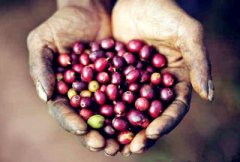
The classification of Colombian boutique coffee Colombian coffee characteristics Colombian coffee taste brother
According to the classification of defective beans, defective beans can be divided into two types:-first: called first-class defects-second: called second-level defects. First: main defects (defects that affect the taste characteristics of coffee): black beans. Private exporters of moldy beans or sour beans: no more than 12 national coffee committees: no more than 8 first-level defective beans, second: secondary defects

The difference between Ethiopian and Indonesian coffee beans
The difference between Ethiopian and Indonesian coffee beans represents countries: Guatemala, Costa Rica, Sawaldo and other Central American countries. The higher the altitude of the origin, the better the quality of coffee. Because of the low altitude and hot climate, coffee trees grow faster and absorb less soil nutrients, so the taste of coffee is poor. Extremely hard beans (SHB) grow from 1375m to 1524m.
First knowledge of Coffee roasting-- defective beans
Defective beans have a great influence on the taste of coffee
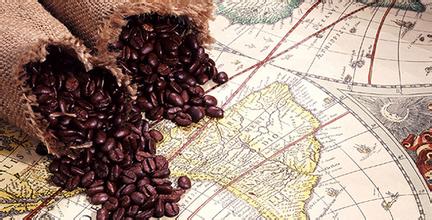
Characteristics of Colombian coffee grade Colombian coffee beans taste of Colombian coffee beans brand
According to the classification of defective beans, defective beans can be divided into two types:-first: called first-class defects-second: called second-level defects. First: main defects (defects that affect the taste characteristics of coffee): black beans. Private exporters of moldy beans or sour beans: no more than 12 national coffee committees: no more than 8 first-level defective beans, second: secondary defects